
 mihirbatra0001@gmail.com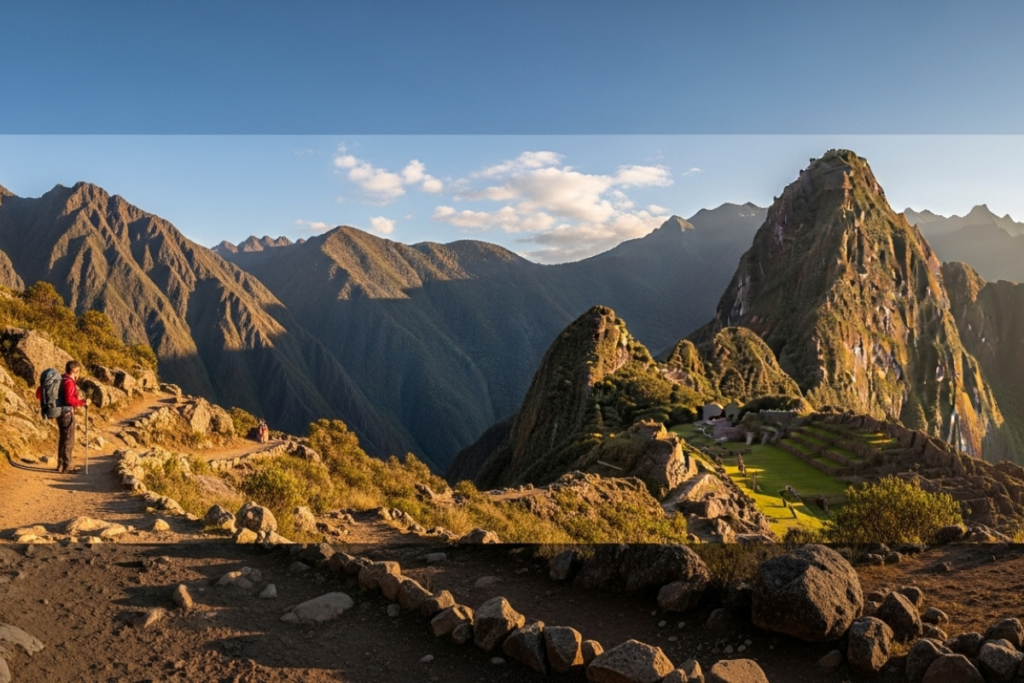
Mountain Trek in Peru
Have you ever thought of yourself standing above the clouds in the sky, between giant mountains and peaceful valleys shaped over time? A mountain trek in Peru is not only an adventure; it is also a test of preparation, endurance, and knowing the land you are walking on. Peru is known for some of the most recognizable mountain scenery in the world, with hiking presenting a stability between the physical and inner cultural and nature experiences. From ancient times, trails have been shaped by ancient civilizations, from the restricted paths through rough landscapes to all the journeys that have their own tale.
This blog provides the process of planning a mountain trek in Peru. You will be informed about every favorite trekking trail and seasonal factor, as well as useful advice to make the trip worthwhile and safe. Whether you are a beginner or planning an in-depth trek in Peru—this guide will make you think clearly and confidently as you move to the trek.
Why a Mountain Trek in Peru Is a Unique Adventure
A mountain hike in Peru is unique due to the combination of both geography and history as well as the altitude. The Andes route through the country provides a variety of trekking activities, which vary in terms of scenic valleys to high-altitude passes. There is never any sense that the trails are just recreational, as they tend to be in many other places, as trekking in this area tends to be on the old paths, which used to connect significant communities.
The diverse nature is what makes a mountain trek in Peru. The trekkers walk across varying weather conditions, from long green foothills to dry alpine terrain. On the route, there is a known presence of small villages, stone ruins, and agricultural terraces that tell how people have been dwelling in the Peruvian mountains over the centuries. Such a cultural-nature combination makes each step interesting.
There is also the Peru adventure travel that puts a focus on the environment. There are a lot of trekking paths that are controlled to maintain ecosystems and heritage sites. This makes a mountain trek in Peru more authentic.
Pro tip: Select the paths that can provide your gradual way up the altitude so that you can enjoy the view and provide your body sufficient time to adjust to it.
As soon as one knows the destination, the second thing is to select the appropriate route.
Why a Mountain Trek in Peru Is a Unique Adventure
When making plans for a mountain trek in Peru, you have to first discover a direction that suits your way and level of traveling. In Peru hiking routes, a wide variety of routes are available with exceptional lengths, altitudes, and problems, as there are many sorts of trekkers.
Some of the general sets of routes involve
- Historical paths with ruins along with mountainous landscapes.
- Alpine hiking with concentrations on scenic drives.
- Distanced paths with seclusion and primitive scenery.
Andes hiking usually implies many long days of walking, and not all the paths are extreme. There are Peru trekking trails that are paced slowly, and the others are very comfortable. It is the knowledge of each route at your own pace that will help you set realistic expectations.
The final Peru adventure enjoyment comes from matching the route with what you wish, whether cultural immersion, a physical challenge, or quiet exploration. A mountain trek in Peru must be experienced as thrilling but not challenging.
Once the path is selected, the following critical factor to not forget is permits.
Understanding Trekking Permits in Peru
In most instances where the mountain trek in Peru is planned, permits are essential, particularly on protected or high-demand routes. Trekking permits issued by Peruvian authorities help in the control of visitors and in the conservation of the delicate environments.
There are those trekking permits in Peru that should be booked several months before and those that can be done near the time of departure. The systems commonly used in permit systems are:
- Daily visitor limits
- Obligatory guide/porter laws.
- Fixed entry dates
Knowing about trekking in Peru could avoid disappointment in the last moment. In some Peru trekking paths, no official permission is required despite their level of experience.
Effective mountain treks in Peru rely on preliminary studies. Permit requirements can also be checked immediately when you select your route to ensure that you will have an easier time planning your trip and prevent a lot of needless stress.
Pro tip: Obtaining permits is a great move to make before one commits to a non-refundable travel arrangement.
Timing your trek is the second important choice after the permits are covered.
Best Time to Plan a Mountain Trek in Peru
Time is very critical in the effectiveness of a mountain trek in Peru. The trail, visibility, and safety are affected by weather patterns in the Andes.
The factors at the season level include:
- Dusty months with clear skies and straight tracks.
- Severe weather that involves rain and low visibility.
- Shoulder seasons: weather and crowds.
It is always desirable to hike in the Andes during the dry months because the trails are safer and the views are more dependable. Always the usual paths are likely to be crowded, and thus to plan ahead is very important.
The appropriate season can be used to make your Peru mountains adventure even better by adding comfort to it and making it logistically easier. On the mountain trek in Peru, you can concentrate on the action and not the circumstances.
Get Ready for Your Peru Mountain Journey
Every mountain trek in Peru will give benefits to those who are sensible enough to plan ahead and walk slowly.
Key takeaways:
- Select the paths that are within your experience.
- Early reservation of trekking permits.
- Get ready for the high and the bad.
And, one last tip, it is better to include flexibility in your plan so that you will not experience sudden changes under pressure.
Conclusion
A mountain trek in Peru is not just a physical adventure; it is a lesson that is made through preparation, respect for nature, and careful planning. The decisions made during the selection of the appropriate Peru trekking routes to the decisions made over the trek permits Peru needs can make or break the success of the trek. The Andes are beautiful landscapes, which require one to be aware and responsible.
Trekking the Andes will be both safe and very rewarding with proper logistics and careful timing and realistic training. Travel arrangements, accommodation, transportation, etc. can be made simple with the help of reliable platforms, such as Expedia, so that you can concentrate on the trek and not worry about the arrangements. After all, a mountain trek in Peru is not about hustling to the finish in Peru, but one can learn to appreciate the process, step by step.
Think, plan, walk, and continue exploring memorable high-altitude experiences with Captureaholiday, where a trek starts with planning and finishes with a memorable experience.